
From the Andes, with intention.
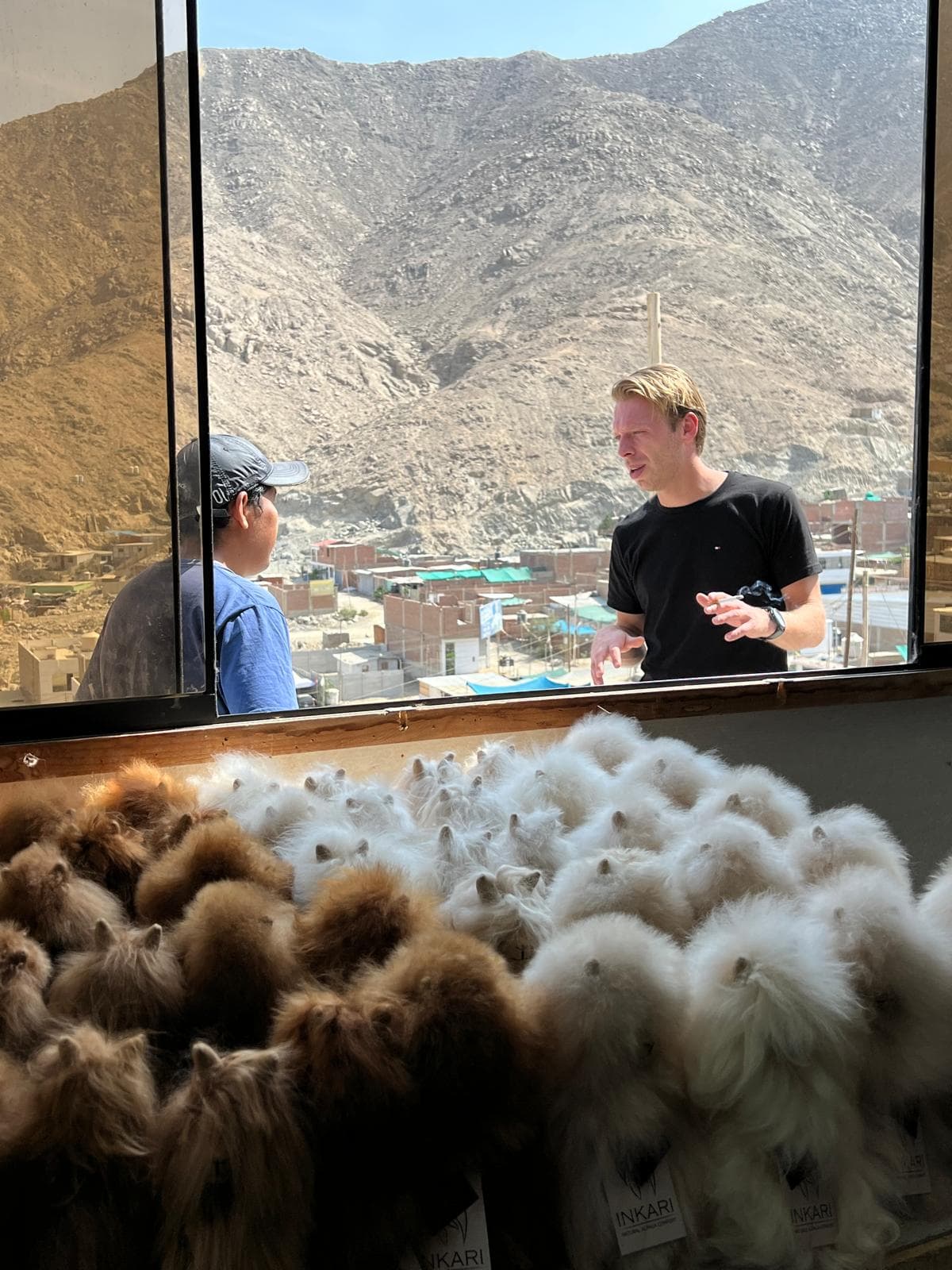
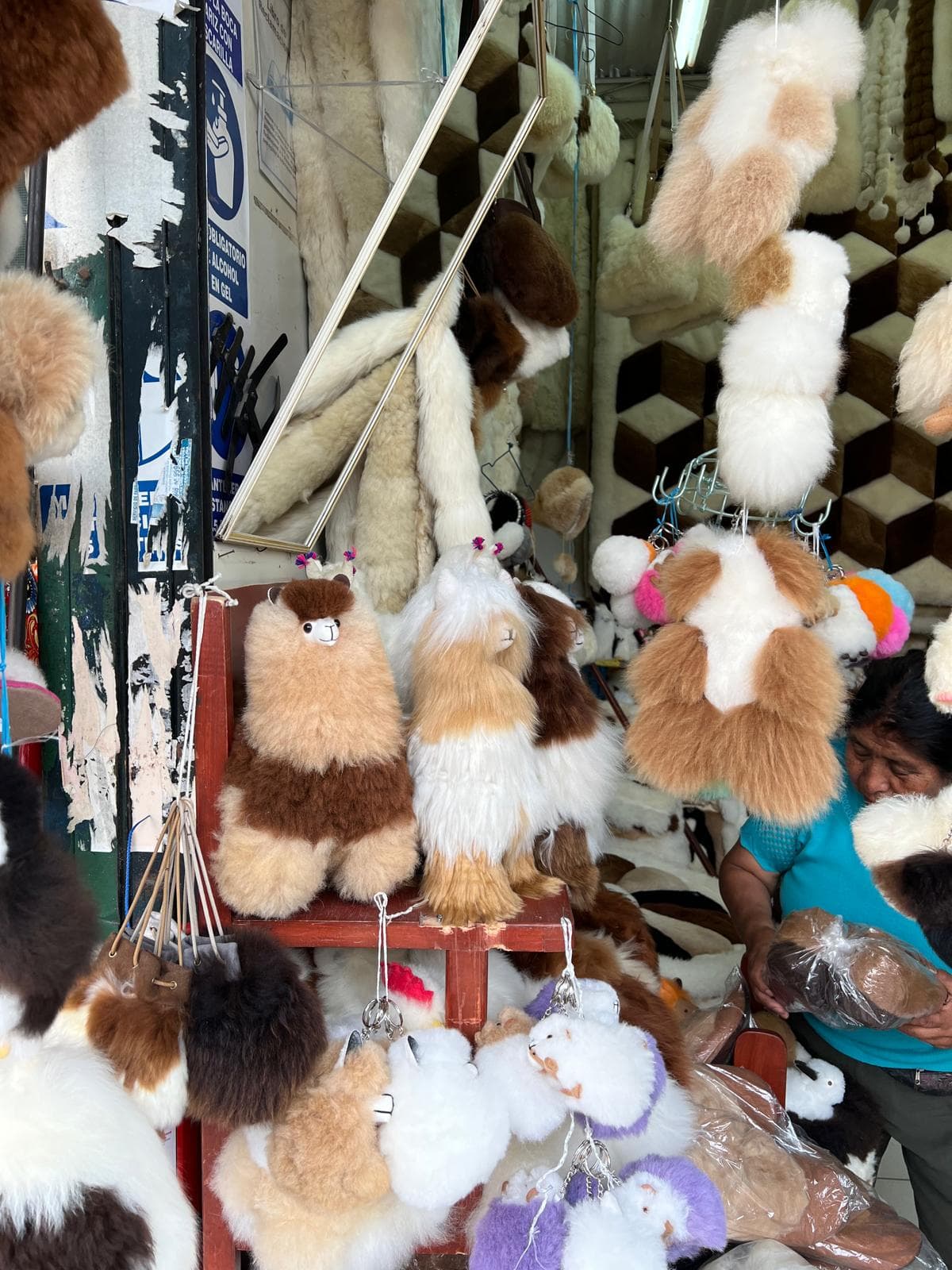
We work hand-in-hand with 100+ artisan families across the Peruvian highlands. Every Inkari piece carries their craft, the alpacas they raise, and a way of working that honors both.
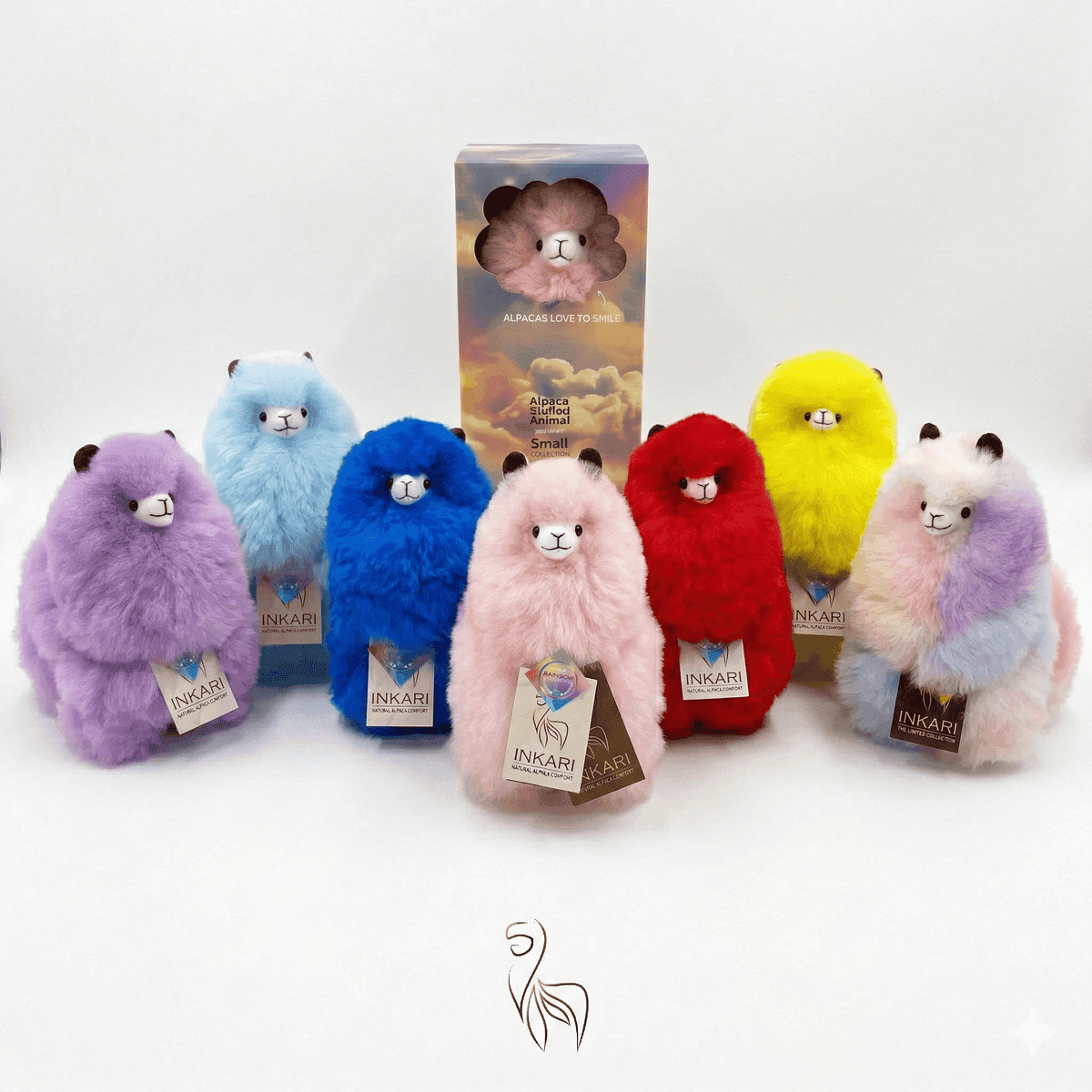
The softness you can feel right away.
Most people notice the texture before they read the tag. Alpaca fiber has the silky hand-feel of cashmere with a fraction of the fragility — soft enough for a baby's blanket, durable enough for an heirloom throw. Once you've held one, regular wool starts to feel like a downgrade.
Small alpacas, huge impact.
Alpacas are one of the most sustainable fiber animals on the planet. Here's what that means for the land, the water, and the people who raise them.
Soft on the land
Alpacas have padded hooves instead of hard ones — they leave grasslands intact rather than churning soil into dust.
Naturally water-efficient
Alpacas drink a fraction of the water other livestock need, and require no irrigated pastures to thrive.
Gentle grazers
They nibble plants without uprooting them, letting native grasses regrow season after season.
At home in the highlands
Native to the Andes for thousands of years, alpacas thrive on what already grows there — no imported feed required.
No chemicals, ever
Alpaca fiber is naturally lanolin-free, hypoallergenic, and processed without harsh dyes or chemical treatments.
Income that stays local
Fair-trade partnerships mean breeders and artisan families earn directly from every alpaca that comes home with you.
We simply love alpacas and everything they stand for. Spreading happiness, one alpaca at a time.
A partnership, not a supply chain.
We don't buy fiber off a market floor. We work directly with breeder communities high in the Andes — visiting in person, designing together, and paying fairly for what they produce. The animals are raised by families who've herded alpacas for generations. We just help the rest of the world meet them.